Seismik Sensor untuk Eksplorasi & Monitoring


Metode seismik merupakan metode geofisika yang sangat populer dalam eksplorasi hidrokarbon. Ketepatan dan resolusi tinggi dalam memodelkan struktur litologi bawah permukaan menjadikan metode ini unggul dibandingkan dengan metode lainnya.
Metode Seismik merupakan salah satu metode yang paling dikenal di bidang eksplorasi geofisika. Pasalnya, metode ini banyak digunakan dalam eksplorasi Minyak dan Gas bumi. Berdasarkan Namanya, Metode ini didasarkan pada pengukuran respon gelombang seismic yang menjalar di bawah permukaan dan direkam pada permukaan tanah. Gelombang terekam yang mencapai permukaan ini nantinya akan berkaitan erat dengan refleksi dan refraksi gelombang pada sepanjang perbedaan lapisan/kontras batas litologi di bawah permukaan.
Berdasarkan sumber gelombangnya, metode seismic terbagi menjadi 2 jenis yaitu metode seismic aktif dan pasif. Sumber dari seimik aktif dapat berupa plat hammer untuk kedalaman yang cukup dangkal atau menggunakan bahan peledak dan vibroseis untuk kedalaman yang sangat dalam sehingga event yang terekam menjadi data yang sangat penting untuk membedah apa yang ada di bawah permukaan. Berbanding terbalik dengan seismic aktif, seismic pasif memanfaatkan gelombang natural dan menganggap event besar (misal: hentakan, ledakan) sebagai noise yang perlu dihilangkan ketika pengolahan. Selain digunakan dalam eksplorasi bawah permukaan, metode seismic pasif juga sering digunakan dalam monitoring Kesehatan bangunan, jembatan, bendungan, serta monitoring gempa bumi.
PT Exact provide
1. Metode Seismik aktif untuk kedalaman dangkal: ABEM Terraloc Pro.
2. Metode Seismik aktif untuk kedalaman sangat dalam: –
3. Metode Seismik pasif: GEObit (All Products)
Share this post:

Did You Know? An Underground Utility Line is Struck Every Few Minutes Worldwide

Did You Know? An Underground Utility Line is Struck Every Few Minutes Worldwide

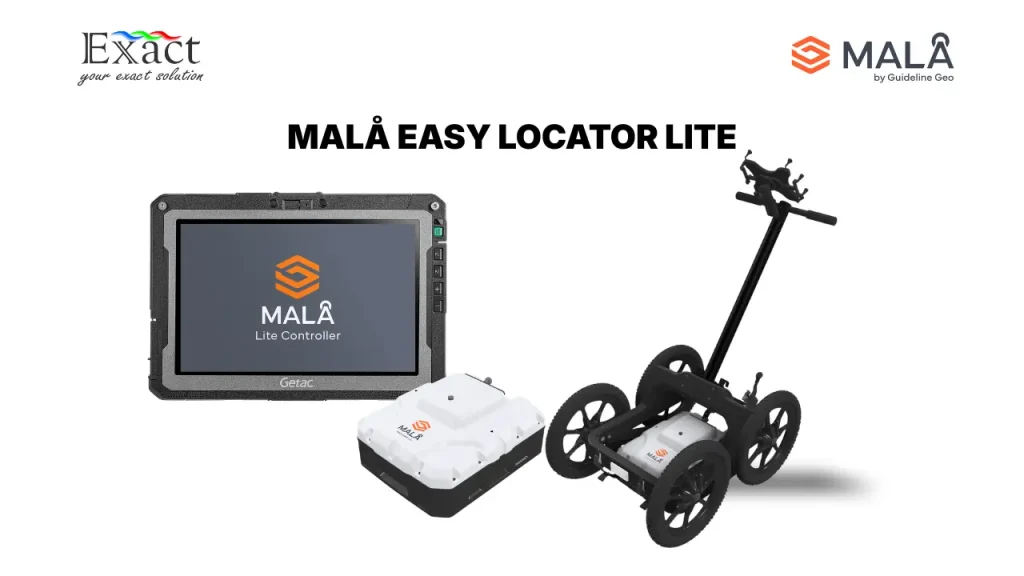
Every year, millions of dollars in damages and project delays occur due to undetected underground utilities, as traditional locators often miss non-conductive assets. To solve this critical challenge, Guideline Geo has launched the MALÅ Easy Locator (EL) Lite—an intelligent, cost-effective Ground Penetrating Radar (GPR) system purpose-built for rapid subsurface utility detection. Ready to work straight out of the box with pre-configured settings and real-time MALÅ AI assistance, it empowers operators to instantly identify and mark buried utilities on-site without complex survey setups or post-processing delays.

How Much Could Your Building Really Lose Without an Earthquake Monitoring System?

How Much Could Your Building Really Lose Without an Earthquake Monitoring System?

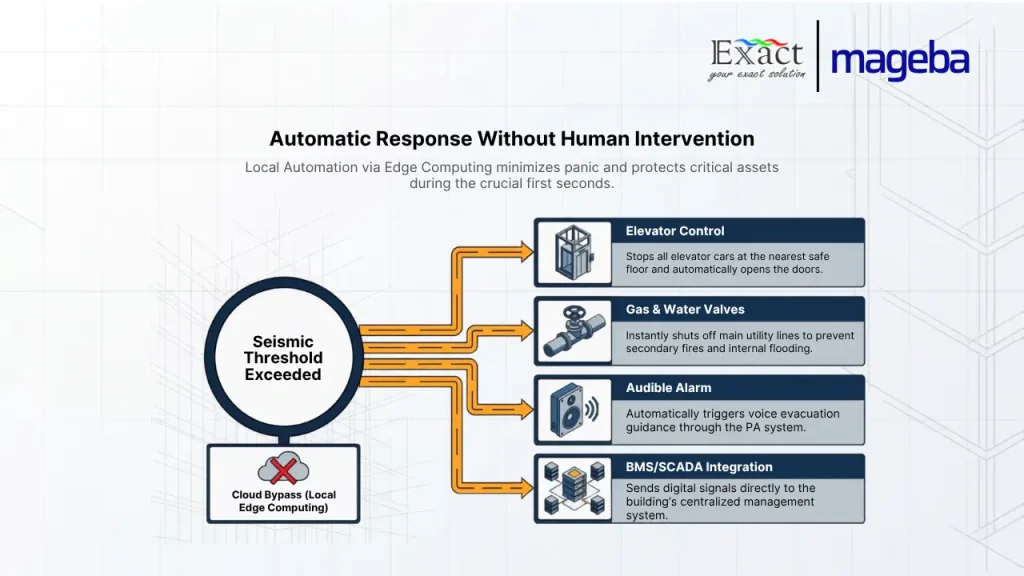
ROBO®QUAKE transforms earthquake risk management from defensive shutdowns into rapid, data-backed operational continuity. During a magnitude 6.5 earthquake, physical structural damage accounts for less than 30% of the total financial impact, while the remaining 70% vanishes through prolonged operational downtime. While traditional manual inspections take 14 to 30 days and cost high-rise owners up to $50,000 (around Rp750 million) per day in lost revenue, automated Structural Health Monitoring (SHM) verifies building safety in just 2 to 5 minutes

A Complete Guide to Structural Health Monitoring for Earthquake-Resistant Buildings in 2026

A Complete Guide to Structural Health Monitoring for Earthquake-Resistant Buildings in 2026

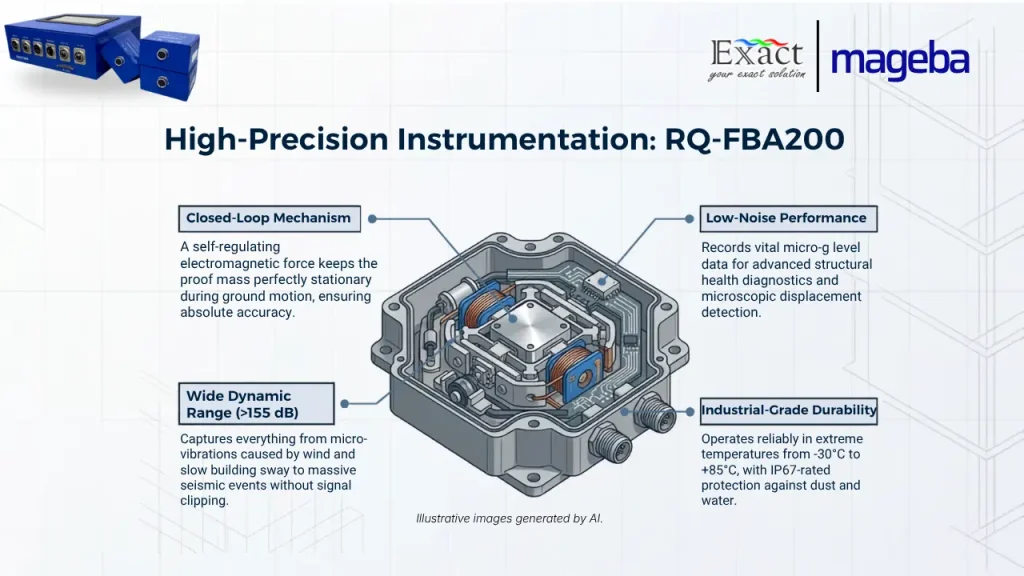
ROBO®QUAKE is an advanced earthquake monitoring and early warning system designed by mageba to protect critical infrastructure through real-time seismic data processing, structural health diagnostics, and automated alerting. Operating as the primary sensor within this platform, the RQ-FBA200 model is a high-accuracy triaxial force-balance (servo) accelerometer engineered specifically for low-frequency structural health monitoring, seismic activity tracking, and geotechnical studies. Unlike conventional accelerometers, the RQ-FBA200 utilizes a closed-loop feedback mechanism that applies an electromagnetic force to counteract the movement of an internal proof mass, keeping it stationary to deliver measurement accuracy directly proportional to structural acceleration. Featuring a wide dynamic range exceeding 155 dB, self-noise performance below the Accelerometer Low Noise Model (ALNM), a selectable output range from ±0.25 g to ±4 g (40 Vpp differential output), a frequency response of DC to 215 Hz, and an industrial operating temperature range of -30°C to +85°C, the RQ-FBA200 accurately detects micro-vibrations, long-term structural sways, and high-amplitude earthquake shocks without signal clipping.

Translate »